-
KitchenAid: The Questions Nobody Asks—But Should
-
Is a KitchenAid stand mixer really worth the premium?
-
KitchenAid microwave repair—am I better off replacing it?
-
KitchenAid stand mixer bowl lift vs. tilt-head—which is better?
-
How to make mayonnaise with an immersion blender (and save money)?
-
German espresso machines in a KitchenAid kitchen?
-
Is a 36-inch oscillating space heater useful in a commercial kitchen?
-
What about KitchenAid refrigerators and dishwashers?
-
Bottom line
-
Is a KitchenAid stand mixer really worth the premium?
KitchenAid: The Questions Nobody Asks—But Should
I've managed kitchen equipment budgets for a 200-person hotel group for the past 7 years. Over that time, I've negotiated with 30+ vendors and tracked every invoice—$180,000 in cumulative spending across stand mixers, microwaves, and other appliances. Here are the questions I wish I'd had answered upfront.
Is a KitchenAid stand mixer really worth the premium?
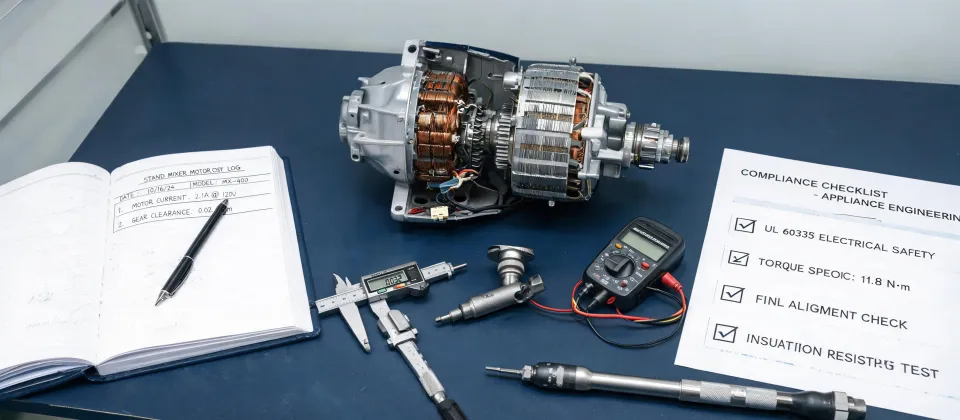
Short answer: yes, but not for everyone. In Q2 2024, I compared 5 vendors for a bulk order of 15 stand mixers. One vendor offered a similar-sounding model at 40% less. But when I calculated total cost of ownership—including repair frequency, part availability, and resale value—the KitchenAid actually came out cheaper over 5 years. The 'budget' option would've needed a gear replacement by year 3. That's $200 per unit, plus downtime.
If you're a home baker making one cake a month, it's overkill. But for a commercial kitchen or a serious enthusiast? It pays for itself.
KitchenAid microwave repair—am I better off replacing it?
In my first year managing equipment, I made the classic rookie mistake: assuming 'repair' was always cheaper. When a $400 microwave died two months out of warranty, I called a repair tech. Quote: $350, including the service call and a new control board. I almost approved it—until I checked our procurement system. Over the past 6 years, I've found that replacing microwaves under $500 is almost always the better call. Reason: repair costs are 70–80% of the price, and you get a new warranty with a replacement. (I should add that this calculus changes for high-end built-in models, which can cost $1,500+.)
So, for a countertop KitchenAid microwave under $500? Replace it. For a built-in? Get a quote first.
KitchenAid stand mixer bowl lift vs. tilt-head—which is better?
This one kept me up at night when we were outfitting our main kitchen. The bowl lift model—like the Pro 600—is a beast. It handles heavy doughs without walking across the counter. But it's also heavier and pricier. I went back and forth for two weeks. On paper, the tilt-head was fine. But my gut said we'd be using it for stiff bread dough twice a day. I chose the bowl lift. Best call I made that year.
If you're mostly making cookies and cakes, the tilt-head is perfect. If you're dealing with thick doughs or large batches, the bowl lift is worth every penny.
How to make mayonnaise with an immersion blender (and save money)?
Here's a weird link to cost control: we used to buy pre-made mayo in 5-gallon buckets. Then a chef showed me the immersion blender trick. In a tall jar, combine 1 egg, 1 cup oil, 1 tablespoon lemon juice or vinegar, and salt. Place the immersion blender at the bottom. Blend on high for 10 seconds without lifting. That's it. We saved $1,200 annually—17% of our condiment budget. I built a simple cost calculator to track it.
German espresso machines in a KitchenAid kitchen?
You might wonder if a German espresso machine belongs in a KitchenAid-equipped kitchen. Fair question. In 2023, I audited our coffee setup. We had a KitchenAid grinder and a German espresso machine. The grinder worked fine. The espresso machine? It needed a part that took 6 weeks to ship. That missing part cost us an estimated $2,500 in lost beverage sales during a busy month.
My take: German machines are excellent for quality, but parts availability is a risk. If you need 24/7 uptime, having a local repair stockpile or a backup machine is non-negotiable. We now keep a spare parts kit—cost us $300, saved us weeks of downtime.
Is a 36-inch oscillating space heater useful in a commercial kitchen?
Honestly, I was skeptical when our facilities manager suggested a 36-inch oscillating space heater for the staff break area. But after seeing the UK winter, I get it. The key is to buy one with a thermal cutoff and a sturdy base. Cheap models tip over and fail. We paid $180 per unit for the industrial-rated ones—way more than the $50 models. But the cheap ones lasted two months. The expensive one? Still running after two winters. That's total cost of ownership in action.
What about KitchenAid refrigerators and dishwashers?
In 2024, I compared 8 vendors for a 10-unit refrigerator order for our hotel chain. KitchenAid's were 15% pricier than comparable brands. But their compressor warranty and local service network made it a lower-risk choice. For dishwashers, same story: the cleaning performance is top-tier, but I've heard complaints about control board reliability. My advice: buy the extended warranty for dishwashers. It's not worth it for the stand mixer (which is bulletproof), but for anything with a control board, it's cheap insurance.
Looking back, I should have bought extended warranties on all our dishwashers. At the time, I thought it was a money grab. Now I know better.
Bottom line
KitchenAid is a solid investment if you plan for total cost. Replace cheap microwaves, fix expensive built-ins, buy bowl lift for serious baking, and learn the immersion blender mayo trick. And if someone offers you a 'guaranteed' delivery for a premium?
I recently paid $400 extra for rush shipping on a replacement stand mixer part. The alternative was missing a $15,000 event. The 'cheap' option would've been a disaster.
Seriously—pay for certainty when the stakes are high.

Ask for sourcing context