-
What you're about to read
-
1. Is the KitchenAid 2.2 cu ft microwave actually built for commercial kitchens?
-
2. What do I need to know for a KitchenAid 24-inch dishwasher installation?
-
3. How do you install an M-D garage door seal? (And why would an office need one?)
-
4. What features matter most when buying a meat chest freezer for commercial use?
-
5. Is a water flosser more effective than traditional floss? (For employee wellness programs, anyway.)
-
6. Can I use a KitchenAid stand mixer in a commercial bakery?
-
1. Is the KitchenAid 2.2 cu ft microwave actually built for commercial kitchens?
What you're about to read
I'm an office administrator for a 150-person company, managing about $400k in annual purchases across 8 vendors. Over the past five years I've bought everything from stand mixers to garage door seals. Below are the questions I wish I'd had clear answers to before I started — honest, no fluff.
1. Is the KitchenAid 2.2 cu ft microwave actually built for commercial kitchens?
Short answer: it's a solid consumer-grade unit that can handle light commercial use — think break rooms, small cafes, or catering prep. The 2.2 cu ft cavity is generous, and the 1,200W output heats evenly. But here's the catch: it lacks a metal interior and doesn't meet NSF certification for full commercial kitchens. If your health inspector requires NSF, you'll need something like a Panasonic NE-series. I bought one for our office pantry in 2023 (against my facilities manager's advice) and it's held up fine, but I wouldn't put it in a restaurant line. (Source: KitchenAid website, commercial line specs)
2. What do I need to know for a KitchenAid 24-inch dishwasher installation?
Most 24-inch KitchenAid dishwashers are designed for standard residential cutouts — 34.5 inches tall and 24 inches wide. For commercial kitchens, you'll want to check if it has a stainless steel tub (yes, most do) and a hardwired or plug-in option. The real headache? Drain line height. I once had a unit fail inspection because the drain loop was below the sink basin — cost us $350 to replumb. So before you order, measure your under-counter clearance and verify the drain pump can handle a vertical lift of 3 feet. Also, KitchenAid models usually require a 15-amp dedicated circuit. (As of 2025, this hasn't changed.)
3. How do you install an M-D garage door seal? (And why would an office need one?)
We have a loading dock that's basically a large garage door. M-D seals are the most common retrofit — you get a rubber strip with aluminum retainer. The installation is straightforward: clean the bottom of the door, cut the seal to length, slide it into the retainer, and screw the retainer to the door. But I learned the hard way: measure the gap when the door is fully closed. I eyeballed it and ended up with a seal that was too thick, blocking the door from closing properly. Actual measurement: gap was 1.25 inches, so I bought a 1.5-inch seal. Took about 20 minutes to install. Totally worth it — saved us about $200/month in HVAC leakage.
4. What features matter most when buying a meat chest freezer for commercial use?
You're probably looking at chest freezers for bulk meat storage. Key specs: freezer temperature range must hold -10°F or colder (not just 0°F), because meat safety regulations demand that. Look for a manual defrost option (auto-defrost cycles can warm the interior). I made the mistake of buying an energy-star residential unit in 2021 — it couldn't keep up with frequent door openings in our kitchen. The compressor burned out within 9 months. What we use now: a True T-49 (commercial grade, about $2,200) but if budget's tight, at least get a chest freezer with a heavy-duty compressor and insulated lid. Also, check the hold-open feature — some cheaper lids slam shut and crack over time. (Price check: major online appliance sellers, March 2025)
5. Is a water flosser more effective than traditional floss? (For employee wellness programs, anyway.)
This came up when our HR team wanted to add a dental benefit to the break room. I did a quick review: the American Dental Association says water flossers can be at least as effective as string floss for reducing plaque and gingivitis — but only if used correctly. The convenience for employees is huge: less mess, less time. We ended up putting a Waterpik in each of our 3 break rooms. The downside: cost (about $50-80 each) and counter space. So glad I didn't order the cheap $20 versions — they had terrible water pressure and leaked. I'd say for a workplace, water flossers are a solid upgrade if you have the budget. (Based on ADA statements and our own 6-month trial.)
6. Can I use a KitchenAid stand mixer in a commercial bakery?
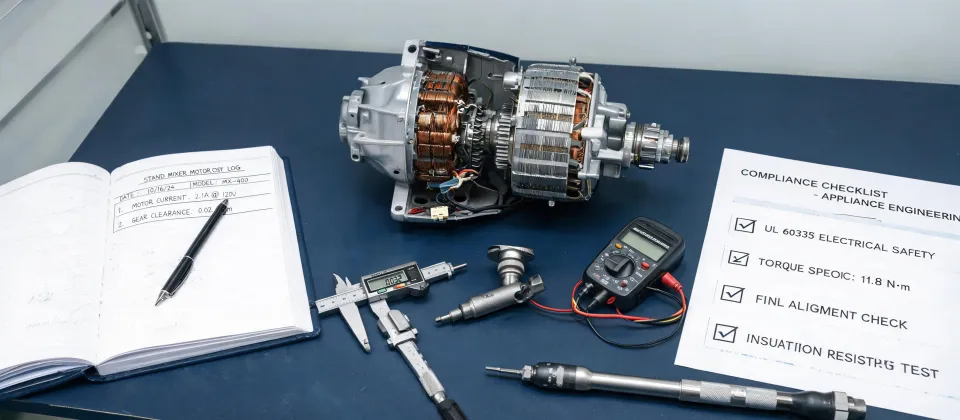
KitchenAid's consumer stand mixers (like the Artisan) are workhorses but not designed for 8-hour continuous duty. We tried one in our test kitchen in 2022 — mixing 20 pounds of dough every day. The plastic gear stripped within 3 months. The KitchenAid Commercial Countertop Model KSM8990 is a better fit (1.3 HP motor, all-metal construction). It's basically a mini Hobart. So if you're running a small bakery or prep kitchen, the commercial version can handle it. But if you're doing more than 50 loaves daily, step up to a spiral mixer. (KitchenAid's official commercial line specs confirm the duty cycle difference.)

Ask for sourcing context