National retail chains
Lineup architecture, packaging hierarchy, energy labels and replenishment cadence are prepared for buyer review and shelf execution.
Kitchenaid structures appliance projects around the channel that will judge the product. A national retailer asks for planogram discipline, carton strength and vendor compliance. A private-label brand needs finish flexibility, accessory kits and defensible launch content. A hospitality buyer studies durability, replacement parts and service routines. Marketplace teams need FBA packaging, clean barcode logic and fast issue isolation. The same appliance can fail if these channel details are ignored, so our industry page is built around use cases rather than generic buyer types.
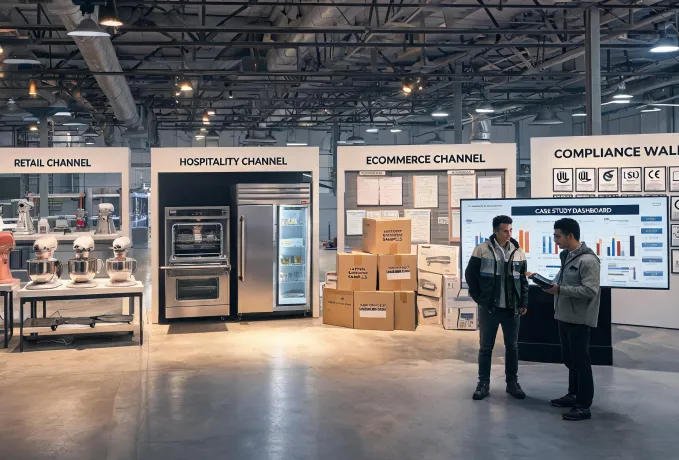
Lineup architecture, packaging hierarchy, energy labels and replenishment cadence are prepared for buyer review and shelf execution.
Bulk packaging, promotional bundles, pallet efficiency and warranty inserts are engineered for high-volume seasonal programs.
FBA carton limits, scannable spare parts, video-ready feature claims and defect isolation routines support faster online scaling.
Durability, cleaning access, consistent finish control and replacement part planning support hotels, serviced apartments and cafes.
Mixed-container planning, multilingual manuals and compliance packages help distributors launch broader appliance portfolios.
Low-risk pilot volumes, finish libraries, accessory selection and packaging dielines give brand owners room to test demand.
Parts availability, exploded views, troubleshooting guides and claim routing are prepared before products reach end users.
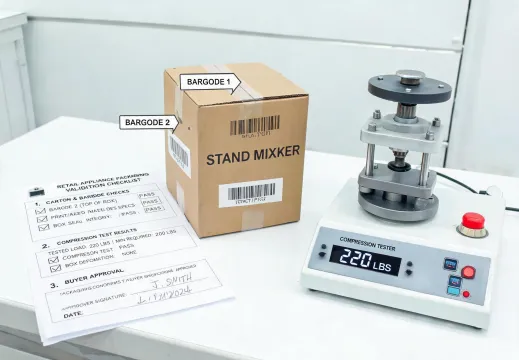
A kitchen appliance program for a multi-region retailer required a common motor platform, three finish tiers and two carton languages. Kitchenaid separated cosmetic decisions from electrical safety files, then locked carton tests after final accessory selection. The buyer received a cleaner approval path because every variant referenced the same engineering baseline.
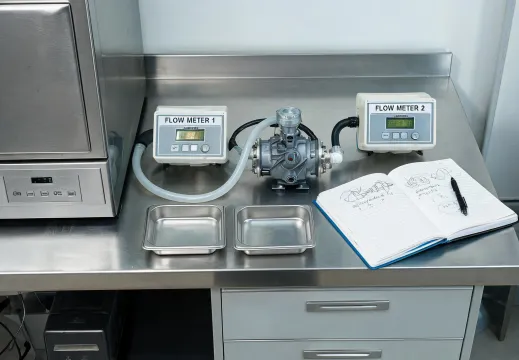
For a distributor adding built-in dishwashers, the biggest risk was service cost after installation. The project team added pump endurance records, leak-point mapping, filter cleaning instructions and spare part kits to the quotation stage. That changed the discussion from lowest price to documented ownership risk.
Certification logos are treated as documentation milestones. Each project receives a matrix showing which evidence exists, which tests are pending and which design choices could change the compliance route.
We will adapt the RFQ checklist to your retail, distributor, hospitality or ecommerce launch route.