In March 2024, a catering client called me 36 hours before a tasting event. Their small kitchen had a weak hood, a corner that felt like a sauna, and water that tasted like a penny. We couldn't renovate in two days, but we could make three smart equipment decisions fast.
I've coordinated enough rush orders to know that pressure changes how you evaluate gear. You stop caring about finishes and start caring about performance, reliability, and whether the thing will still work when you need it most. This article is built on three comparisons that came out of that emergency project:
- Countertop power: A KitchenAid Ultra Power Stand Mixer vs. a compact multipurpose machine
- Air and heat: Small kitchen hood ideas vs. a 30k BTU mini split
- Water: What to look for in an under sink water filter and which style fits most home cooks
The overall framework is simple: reliability, space, heat management, and real-world cost. Here's what I'd buy again — and what I'd skip.
Countertop Battle: KitchenAid Ultra Power Stand Mixer vs. All-in-One Gadgets
If your countertop is only three feet long, the temptation is to buy a single machine that chops, kneads, blends, and acts like a jack-of-all-trades. I get it. I've made that mistake for clients, and it's cost us time and money more than once.
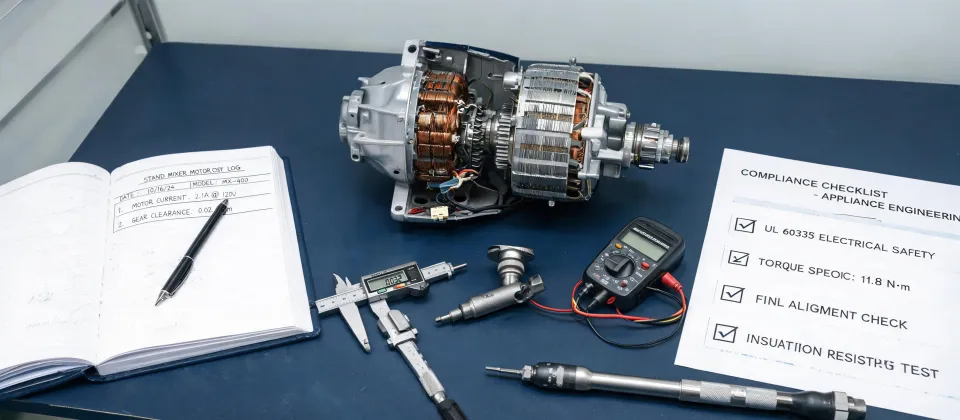
Here's what happens: the compact multipurpose machines work great for the first few weeks. Then the motor strains on a stiff bread dough, or the drive gear strips, and suddenly you're waiting on a replacement part during your busiest season. Meanwhile, a full-size KitchenAid Ultra Power Stand Mixer has the torque to handle thicker batters and doughs without breaking a sweat. It's a workhorse in a way that tiny all-in-one units simply aren't.
Yes, it takes up counter space. But in a small kitchen, the real space killer isn't the mixer—it's the wasted money and time spent on repairs. KitchenAid mixers are serviceable, parts are easy to find, and they survive years of daily use. This matters a lot when you're on a tight deadline and can't afford a breakdown. (And if you've ever had a mixer die the day before an event, you know that panic.)
Now, the smaller item: the KitchenAid 2-slice toaster. It's a good toaster. It has the brand aesthetic, solid construction, and usually a bagel setting. But honestly, a toaster is a toaster. If counter space is precious, buy a simple two-slot model and put your money into the stand mixer instead. The mixer will perform under pressure; the toaster won't save your event.
Conclusion: In a head-to-head comparison of dependability, torque, and long-term value, the KitchenAid Ultra Power Stand Mixer beats every multipurpose gadget I've tested. Don't compromise on it. Compromise on the toaster.
Small Kitchen Hood Ideas vs. a 30k BTU Mini Split: Which One Actually Keeps You Cooking?
Here's the counterintuitive part: a range hood does not cool your kitchen. It removes smoke, steam, and grease. It doesn't remove heat in any meaningful way. So if you're standing in front of a hot stove in a tiny room, even a strong exhaust fan won't make you comfortable.
Let me walk through the small kitchen hood ideas that came up in that emergency project:
- Wall-mounted range hood (400–600 CFM): The best option when you have an exterior wall. It removes grease and smoke properly. Slim designs are available now that look almost invisible.
- Downdraft / pop-up vent: Fine if there's no hood above your cooktop, but it needs serious CFM to work. Most downdraft systems underperform compared to a good over-the-range hood.
- Microwave–hood combo: Space-efficient and fine for casual cooking, but recirculating models are much weaker. If you only have this option, lower your searing expectations.
All of those handle air quality. For temperature, you need a different tool.
That's where the 30k BTU mini split becomes the real hero. A 30k BTU unit—roughly a 2.5-ton system—can cool a combined kitchen and dining/living area, even if the kitchen is the hottest part of the space. In our emergency project, we put in a mini split a few hours before the tasting. It made the difference between the chef sweating through her shirt and the team actually finishing the plating. We paid more for the rush install, but we saved the $12,000 event. Worth it.
Important note: a mini split does not replace a range hood for safety. You still need ventilation for smoke and carbon monoxide. But if you've already got a hood and the space still feels unbearable, don't buy a second hood—buy air conditioning.
Conclusion: For a small kitchen, ventilation is non-negotiable. But real comfort comes from a mini split. If you're choosing between upgrading from a 350 CFM hood to a 600 CFM hood, or installing a 30k BTU mini split, the mini split wins for heat management every time. That's one of those lessons you only learn when the kitchen hits 88°F in the middle of service.
What to Look For in an Under Sink Water Filter: Reverse Osmosis vs. Carbon
You'd think a water filter is a water filter. It's not. The two main types—carbon filtration and reverse osmosis—behave very differently under a sink.
Carbon Filter Systems
These remove chlorine, taste, odor, sediment, and depending on the certification, lead and some cysts. Look for NSF/ANSI Standard 42 (aesthetic effects) and NSF/ANSI Standard 53 (health effects). Good carbon filters have decent flow rate—usually around 1 gallon per minute—and don't waste water.
Reverse Osmosis (RO) Systems
RO is more aggressive. It can handle nitrates, fluoride, arsenic, and many trace contaminants. Look for NSF/ANSI Standard 58 certification. But there are trade-offs: many residential RO systems waste 2–3 gallons of water for every gallon they produce, have slower flow rates, and need more space under the sink. They also strip some minerals, which can subtly affect the taste of coffee or bread.
So here's my honest take: most home cooks should start with a carbon-based under sink water filter. It's cheaper, simpler to install, faster, and removes the things that actually affect cooking flavor—chlorine, odors, and off-tastes. Choose RO only if you have a specific concern like lead, nitrates, fluoride, or if you're on well water and want broader protection.
Also check: filter replacement cost, lifespan (usually measured in gallons or months), and flow rate. If a filter is too slow, you won't use it. And if you don't use it, it's just decoration under your sink.
Conclusion: For most kitchens, a quality carbon filter beats an RO system for practical everyday use. The RO system isn't better—it's just different. Know your water first, then pick the tool that matches the problem. An informed customer asks better questions and makes faster decisions.
So What Should You Actually Buy?
If you're planning a small kitchen, here's the decision framework I now use after years of rush projects:
- Home baker / weekend cook: Buy the KitchenAid Ultra Power Stand Mixer, add a decent wall-mounted hood if you have any serious searing, and install a carbon under sink water filter. Skip the fancy toaster; a basic two-slice model is enough.
- Catering / commercial prep space: Put ventilation and a mini split at the top of your budget. The mixer matters too, but if the room is hot and smoky, your staff and your food will suffer. Choose a heavy-duty range hood with enough CFM, then add a mini split for cooling. RO water system only if you know your water has specific contaminants.
- Apartment / rental kitchen: You may be stuck with a recirculating hood or a microwave-hood combo. That's fine—just know its limits. Add a carbon water filter for better coffee and cooking water. And buy the KitchenAid portable countertop gear because it moves with you. In a rental, the best equipment is the gear that survives the next move.
One last thing from someone who's triaged a lot of urgent kitchen situations: what matters most isn't any single product—it's certainty. The value of guaranteed delivery isn't just speed; it's knowing the thing will show up when you need it. Buy from brands and suppliers you can rely on. Keep at least one backup plan. And when the kitchen gets hot, fix the heat before you worry about the toaster.

Ask for sourcing context